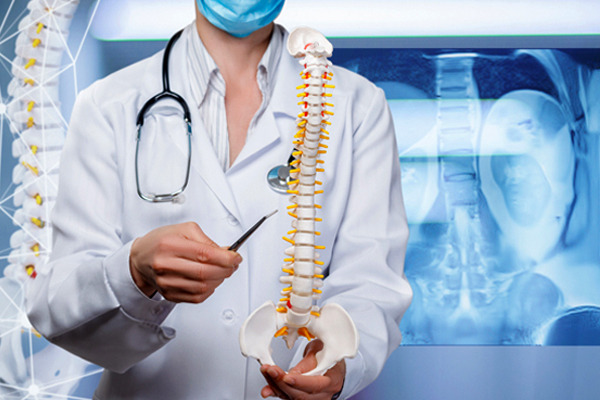
5 Signs You Should See a Spine Specialist Before It’s Too Late
Back and neck pain are among the most common health complaints today. While many cases resolve with rest, exercise, or simple lifestyle changes, not all spine problems should be ignored. Some symptoms may be warning signs of a serious underlying condition that requires evaluation by an expert spine specialist.
Delaying treatment can lead to worsening pain, reduced mobility, nerve damage, or even permanent disability. In this blog, Dr. Aakash Jain discusses the top 5 signs that indicate it’s time to see a spine surgeon.
1. Persistent Back or Neck Pain That Doesn’t Improve
It’s normal to experience occasional back or neck pain after long hours of desk work, poor posture, or minor physical strains. However, if your pain:
-
Lasts for more than 4 to 6 weeks despite home remedies
-
Interferes significantly with your daily work, routine activities, or sleep
-
Doesn’t improve with standard medication, rest, or physiotherapy
…it may indicate an underlying pathology such as degenerative disc disease, a herniated disc, or spinal arthritis. A spine specialist can evaluate the root cause and recommend targeted treatment before the condition progresses.
2. Numbness, Tingling, or Weakness in Arms or Legs
When a spinal disc or bone spur presses directly on nerves, it can cause radiculopathy (nerve compression). You may experience:
-
Tingling or a persistent “pins and needles” sensation
-
Numbness in your arms, hands, legs, or fingers
-
Unexplained weakness while walking, climbing stairs, or lifting everyday objects
…suggesting nerve root compression due to conditions like a slipped disc, spinal stenosis, or cervical myelopathy. If ignored, nerve damage can become permanent, making early consultation crucial.
3. Difficulty Walking or Maintaining Balance
The spine plays a fundamental role in core posture and biomechanical movement. If you notice:
-
Trouble walking normal distances without stopping to rest
-
Sudden loss of balance, unsteadiness, or frequent tripping
-
Severe stiffness in the lower back or legs
…it may be a critical sign of spinal cord compression. In such cases, timely medical or surgical intervention is necessary to prevent further neurological deterioration and preserve mobility.
4. Loss of Bladder or Bowel Control
One of the most urgent medical warning signs is the sudden loss of control over your bladder or bowel functions. This could be due to cauda equina syndrome, a rare but severe surgical emergency caused by extreme pressure on the bundle of nerves at the base of the spine.
This requires immediate emergency medical attention. Urgent spine surgery is often mandatory to prevent permanent paralysis or irreversible incontinence.
5. Spinal Deformities or Visible Curvature
If you or a family member notices progressive changes in posture or alignment such as:
-
Uneven shoulders, waistline, or hips
-
A pronounced hunchback appearance (hyperkyphosis)
-
An abnormal sideways curvature of the spine (scoliosis)
…it could indicate a progressive structural spinal deformity. In growing children, these conditions worsen rapidly, while in adults they cause chronic fatigue, pain, and disability. A spine specialist can determine whether bracing, targeted therapy, or corrective surgery is needed.
Why Early Consultation Matters
Many patients delay visiting a spine surgeon due to the fear of undergoing surgery. However, the vast majority of spinal conditions do not require surgery. Most patients recover successfully with non-surgical conservative treatments such as:
-
Targeted anti-inflammatory medications
-
Specialized physiotherapy and core-strengthening exercises
-
Ergonomic lifestyle modifications and posture training
-
Advanced image-guided pain management injections
Surgery is only recommended when conservative measures fail or when there is clear risk of permanent neurological damage. Seeing a specialist early ensures accurate diagnosis and timely care.
When to Choose Dr. Aakash Jain?
Consult a specialized spine surgeon if you experience:
-
Chronic back or neck pain disrupting your professional and personal lifestyle
-
Progressive neurological symptoms like limb weakness or sensory loss
-
Spinal trauma, fractures, or sports injuries
-
Diagnosed spinal tumors, infections, or severe structural deformities
-
The need for an expert second opinion before committing to complex spine procedures
Conclusion
Your spine is literally the backbone of your overall health and mobility. Ignoring persistent pain or progressive neurological symptoms can lead to irreversible damage. By consulting a spine specialist early, you can explore safe, effective non-surgical and surgical options to restore your comfort, strength, and quality of life.